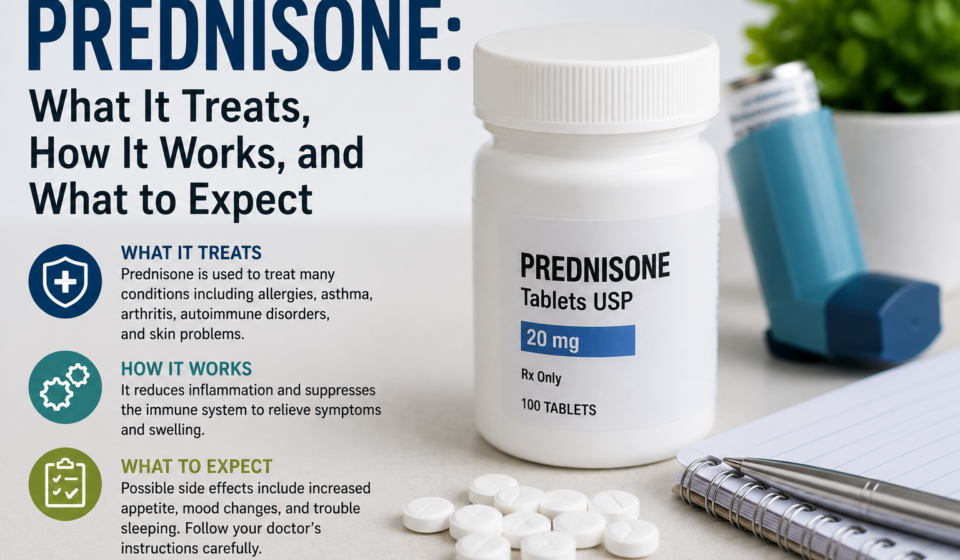

Few prescriptions raise the same amount of questions as prednisis is, also known as prednisone, a corticosteroid that millions of people are given following a flare-up of arthritis, asthma, an allergic reaction, or auto-immune condition. It’s extremely effective and can reduce inflammation in one or two days but it also is known for its adverse effects that can be overwhelming if you don’t explain them thoroughly prior to taking them. This difference between the effectiveness of this drug is and how little patients are aware of it is precisely what this article will attempt to bridge.
Below is a detailed and practical explanation of the effects that prednisone has within the body, what ailments it’s commonly prescribed for, the are the most important side effects to watch for and which ones tend to disappear by themselves and why the process of the proper way to taper off this medication is crucial. This is general education information, not medical advice. Any specific concerns regarding your personal dosage or duration, or any symptoms, should be addressed directly to your physician or pharmacist.
What Prednisone Actually Is
Prednisone is part of a group of drugs known as corticosteroids which are synthetic forms of cortisol, the hormone that your adrenal glands naturally make. Cortisol is a key factor in controlling inflammation, immune responses blood sugar levels, and the way that your body manages stress. When a physician prescribes prednisone, they’re basically providing a controlled, concentrated version of something that your body already produces, only at doses that are much greater than the amount your adrenal glands could ever make by themselves.
The higher dose is the reason why prednisone is so effective against overactive and inflamed immune response. It blocks the signals that your immune system emits when it detects something whether correctly or incorrectly as an apprehension. When it comes to conditions such as allergies or asthma, your immune system has gone into high gear and is responding to something completely harmless. When it comes to autoimmune diseases such as rheumatoid arthritis or lupus your immune system begun attacking the body’s healthy tissue. Prednisone stops this process, reducing the strength of the immune system until the inflammation is gone.
Conditions Prednisone Is Commonly Prescribed For
The spectrum of conditions that can be treated by prednisone is wide, which is why a wide variety of patients are able to get an empty bottle at some time. The respiratory conditions comprise one main category, and include asthma flare-ups and chronic obstructive asthma exacerbations and severe allergic reactions that can affect breathing. Autoimmune and rheumatic diseases comprise another broad category that covers the autoimmune diseases lupus, rheumatoid arthritis and different forms of vasculitis in which the immune system’s assault on body tissue requires to be controlled rapidly.
Prednisone plays an important part in the care for organ transplants in that it assists in suppressing the immune system to keep the body from destroying a newly transplanted organ. It works alongside other medications that suppress the immune system to ensure that the risk of rejection remains at a minimum. Skin disorders, blood conditions, inflammatory bowel diseases such as ulcerative colitis and certain eye disorders complete the list of circumstances where a physician could consider prescribing this drug. Since corticosteroids affect the immune system in such a broad way the spectrum of diseases they affect can be greater than the majority of single-use medications.
Short-Term Versus Long-Term Use
Prednisone dosages differ dramatically based on the medical condition, and that is crucial to know what is to be expected. Shorter courses, which can last only five to 7 days are typical for acute conditions such as asthma flares that are severe or an extreme allergic reaction, in which the aim is simply to end the cycle of inflammation as quickly as possible. Shorter courses are generally associated with less risk of more serious, long-term negative side effects of the drug.
More extended courses, often stretching over months or even years can be required in chronic autoimmune conditions which require continuous immune suppression in order to be managed. That’s why doctors are significantly more cautious, frequently trying to determine the most effective dosage possible, and pairing prednisone with other medicines specifically to decrease the amount of steroid exposure a patient requires to endure over the course of. In addition, prolonged use is where the most severe adverse effects are likely to be observed and that is why frequent surveillance is an integral component of long-term treatment strategies.
Understanding the Side Effects
Each patient taking prednisone at some point asks this same inquiry: What is it that I am actually getting? The truth is that side effects differ greatly based upon dose duration, duration, and sensitiveness, however certain patterns are observed frequently enough to warrant knowing ahead of time rather than being astonished by.
In the short run the increased appetite and fluid retention are very common, along with difficulties sleeping, particularly if the dosage takes place later during the morning. The mood changes can be seen frequently, and range from mild irritation to an unsettling feeling or, in the case of some patients experiencing an unexpected increase in mood and energy that diminishes after the medication has been removed. The elevation in blood sugar is a typical short-term symptom that is particularly relevant for those who have diabetes because prednisone is known to significantly raise the levels of glucose even during the course of a short time.
Longer-term use brings a new series of problems. The density of bones can decrease as a result of prolonged exposure to corticosteroid. This can raise the risk of osteoporosis in time. This is the reason why doctors may suggest calcium and vitamin D supplementation and bone density monitoring for patients who are on long-term treatment. Weight gain, especially the type that is distributed towards the midsection and face, is often seen after prolonged treatment, as well as thin skin that bruises more often than it did prior to. The increased risk of infections is a major concern also, as the suppressing the immune system that make prednisone so effective is also a deficiency in the body’s ability to fight infections that it normally manages with ease.
Comparing Prednisone to Other Common Corticosteroids
There are many corticosteroids doctors prescribe, and knowing how it compares with its closest competitors helps clarify why a doctor may pick one over the other for an exact circumstance. The table below outlines the most frequently prescribed oral corticosteroids, and how they typically differ.
| Corticosteroid | Relative Potency | Typical Duration of Action | Common Use Cases |
|---|---|---|---|
| Prednisone | Moderate | Intermediate (12-36 hours) | Asthma, autoimmune flares, allergic reactions |
| Prednisolone | Moderate (active form of prednisone) | Intermediate (12-36 hours) | Like prednisone, it is commonly employed in cases where liver conversion is a problem. |
| Methylprednisolone | A little higher than prednisone | Intermediate (12-36 hours) | IV administration, severe flares in hospitals |
| Dexamethasone | Much higher | Long-acting (36-72 hours) | Severe inflammation, certain cancer treatments, brain swelling |
| Hydrocortisone | Lower | Short-acting (8-12 hours) | Adenosystrophy, milder symptoms |
It’s interesting to note that prednisone and the prednisolone are close in this chart. This is logical since prednisone requires conversion by the liver into prednisolone which is its active form prior to it being able to work. This is why people suffering from specific liver disorders are often prescriptions for prednisolone in the first place which skips the conversion step completely. The longer duration of Dexamethasone and its greater potency are the reason it is often used for extreme or particular situations instead of routine use while hydrocortisone’s less pronounced, gentle profile is ideal in situations that require less intense naturally cortisol-like, natural support.
Why Tapering Off Prednisone Matters So Much
A very crucial aspects to be aware of about this drug has no connection with the medication itself and has everything to do with stopping it. Prednisone shouldn’t be stopped immediately after an hour, since the adrenal glands, recognizing that you are taking a chemical cortisol replacement slowly decrease or stop their own cortisol production while you are taking treatment. Stop the medication abruptly and your body may be left without sufficient cortisol derived from any source. This could cause serious health issues like extreme fatigue, dizziness, nausea, and a dangerously reduced blood pressure.
This is the reason doctors recommend the tapering regimen for everyone who’s been taking prednisone longer than two weeks. They gradually bring down the dosage rather than abruptly stopping the medication. The gradual reduction in dose gives your adrenal glands the chance to re-energize and resume normal cortisol production before the synthetic support ceases completely. The tendency to skip or rush this taper even though the symptoms are improving is among the most frequent and avoidable errors that patients make when using this drug It’s a discussion that you should have with your doctor instead of adjusting the dosage on your own.
Practical Habits That Make Treatment Easier
A handful of daily routines can be a significant way to ease the discomfort of taking this medication, in particular when you are taking longer course:
- Do your dosage early in the morning if you can as this is a reflection of the cortisol cycle of your body and can help reduce sleep disturbance
- Limit sodium intake while receiving treatment to help manage the blood pressure and fluid retention changes.
- Check your blood sugars more carefully when you suffer from prediabetes or diabetes, as prednisone may raise your sugar levels in a noticeable way.
When to Contact Your Doctor While on Prednisone
The majority of side effects associated with prednisone are easily reversible and normal however, certain signs warrant an appointment with your physician instead of just putting them off. Rapidly changing vision, severe breathlessness, an irregular heartbeat, extreme mood changes, such as self-harm thoughts, or indications of infection such as fever in the course of treatment all warrant urgent medical treatment. Because prednisone inhibits the immune system and can cause infections to progress faster or show more mild symptoms as they usually do. This is why it’s important to not dismiss anything which appears to be minor.
It’s also important to mention any vaccinations you plan to give your physician prior to receiving the vaccines while taking prednisone, as live vaccines could pose a risk during times of immunosuppression. Surgery, pregnancy, as well as any new medication like over-the counter drugs as well as supplements, are all recommended to be reported to your doctor in addition, since prednisone is a drug that interacts with a myriad of other treatments and conditions in ways that aren’t always apparent without a thorough examination.
Final Thoughts on Prednisone Treatment
Prednisone is one of the most commonly prescribed and highly powerful anti-inflammatory drugs that is able of calming anything from an asthma attack to chronic auto-immune flare in a brief amount of time. Its effectiveness comes with some certain tradeoffs, especially with regards to the potential for side effects as well as the precise tapering process that is required to stop treatment without risk however, knowing those tradeoffs beforehand can make the whole experience more manageable than tackling the unexpected consequences of the course.
If you’ve been given this medication, make sure you take note of your physician specific questions regarding your dose as well as the expected duration and a tapering program prior to when you begin, and don’t be afraid to contact your doctor when new or worsening symptoms are noticed during the course of your treatment. Prednisone has assisted a huge number of people deal with severe health issues effectively and being informed is the best way to reap the benefits and minimize the discomfort that comes from it.
Frequently Asked Questions
What are the conditions that prednisone is used for? Prednisone treats a variety of autoimmune and inflammatory diseases that include asthma severe allergies, rheumatoidarthritis, the lupus condition, and certain skin and blood disorders and can also aid in preventing rejection of organs after the transplant.
Why can’t I quit taking prednisone when I’m feeling improved? Prednisone suppresses your body’s cortisol production naturally when using it. If you stop abruptly, particularly after more than two weeks of usage, could cause your body to be deficient in cortisol from any source this is the reason doctors suggest an easing of tapering plan instead.
Which are the top frequently reported negative consequences of taking prednisone? Increased appetite, difficulty sleeping, fluid retention mood swings, and increased blood sugar levels can be among the frequently reported short-term effects as well as the longer-term effects that impact the density of bones weight distribution, bone density, and the thickness of skin.
Is prednisone the exact same like prednisolone? They’re closely related. Prednisone needs to be transformed by the liver to prednisolone, the active form before it is able to function and that’s why people who suffer from liver issues may be prescribed prednisolone instead of.
Are there any vaccines I can get when being on prednisone? It depends on the vaccine you are taking and your particular dosage and treatment duration. Live vaccines could pose a risk in periods of immune suppression so it’s essential to talk with your doctor prior to getting any vaccination while on the medication.